Knee Replacement
Home / Blog / Medical
Knee Replacement
Information and practical guidance
Knee replacement surgery replaces damaged or worn parts of the knee with metal and plastic components. It can reduce pain and improve how the joint works.
To assess whether replacement is suitable, the surgeon examines the knee’s range of motion, stability, and strength. X-rays help show the extent of damage.
The implant and surgical technique depend on factors such as age, weight, activity level, knee size and shape, and overall health.
Why Is It Performed?
· The most common reason is arthritis pain. People needing knee replacement often have difficulty walking, climbing stairs, or getting up from chairs.
· If only one part is damaged, a partial replacement may be possible. A total replacement reshapes the ends of the thigh and shin bones and replaces the joint surfaces. Implant stems may extend into the softer centre of the bone.
· Ligaments help hold the joint together. If they cannot provide enough stability, the surgeon may choose a linked implant that keeps its components connected.
Artificial knees are usually made of metal and plastic. Metal replaces damaged bone surfaces, while plastic replaces cartilage-bearing surfaces around the shin bone and kneecap.
After surgery, you spend a short time in recovery. The length of hospital stay depends on individual needs; many people can return home the same day.
The risk of blood clots increases after surgery. Prevention may include:
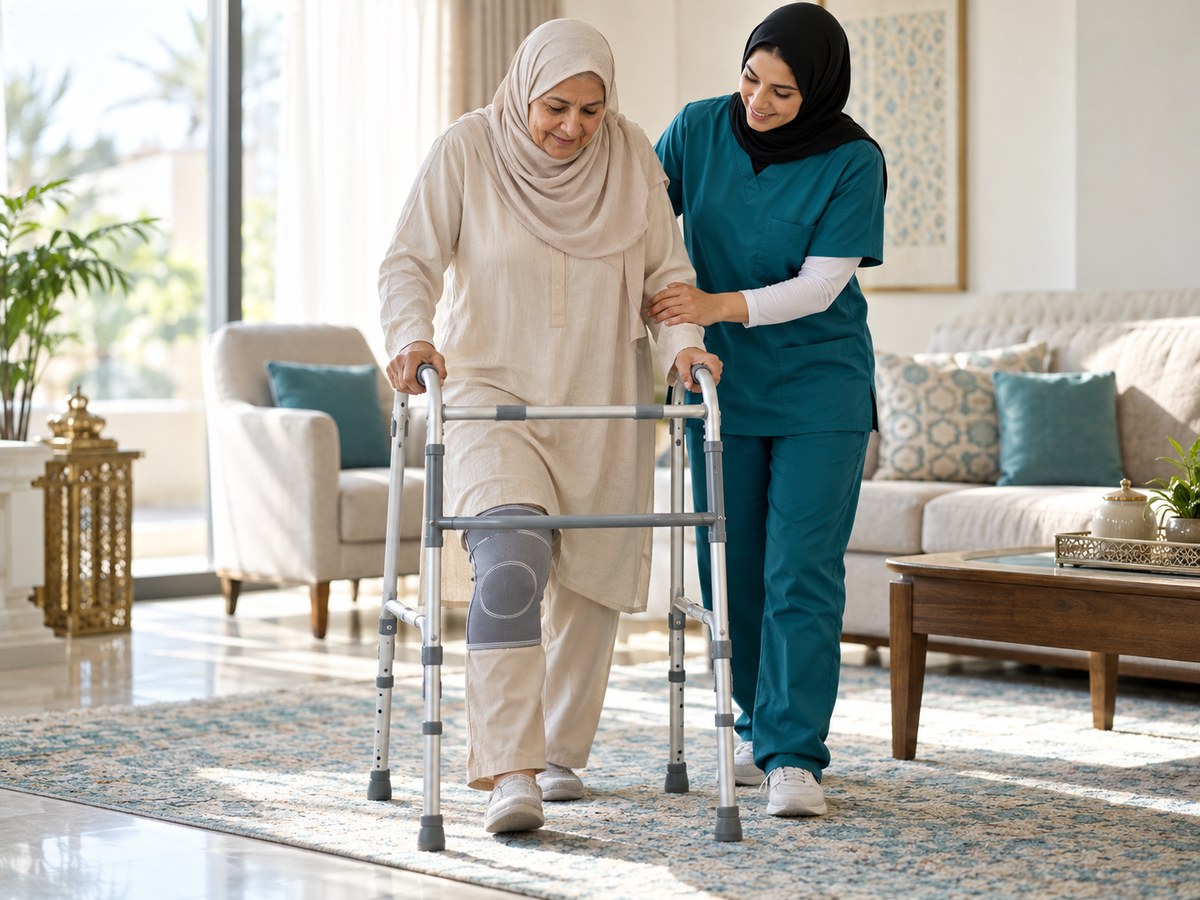
- Early movement. You will be encouraged to sit up and walk with crutches or a walking frame soon after surgery.
- Compression. Elastic stockings or inflatable sleeves may be used during and after surgery. The sleeves gently squeeze and release the lower legs to help prevent blood pooling and reduce clot risk.
- Blood-thinning medicines. Your surgeon may prescribe injections or tablets for several weeks, depending on mobility, activity, and overall clot risk.
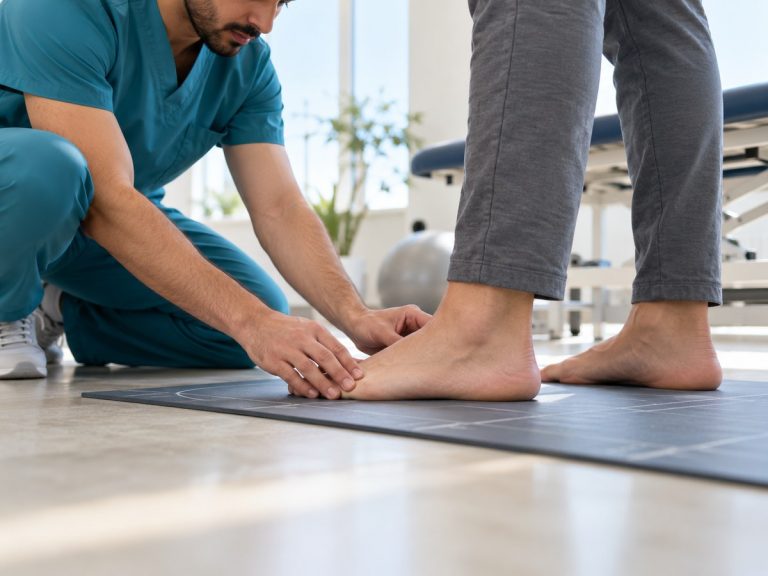
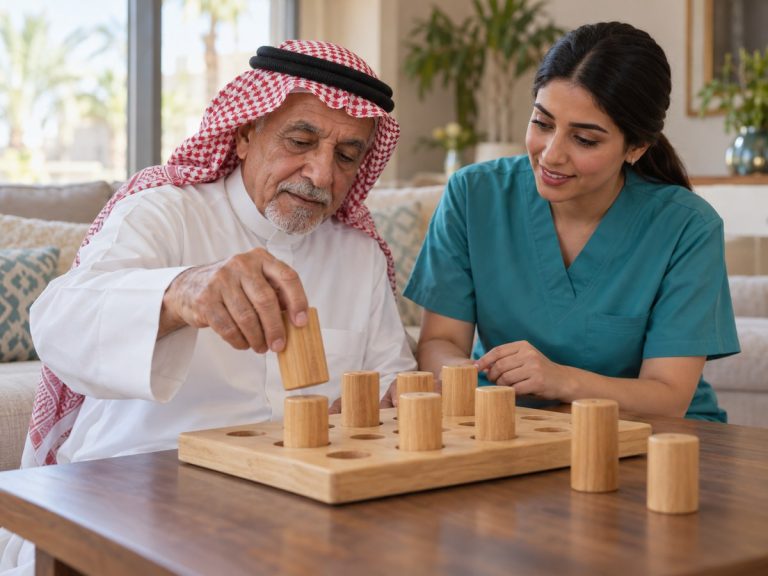
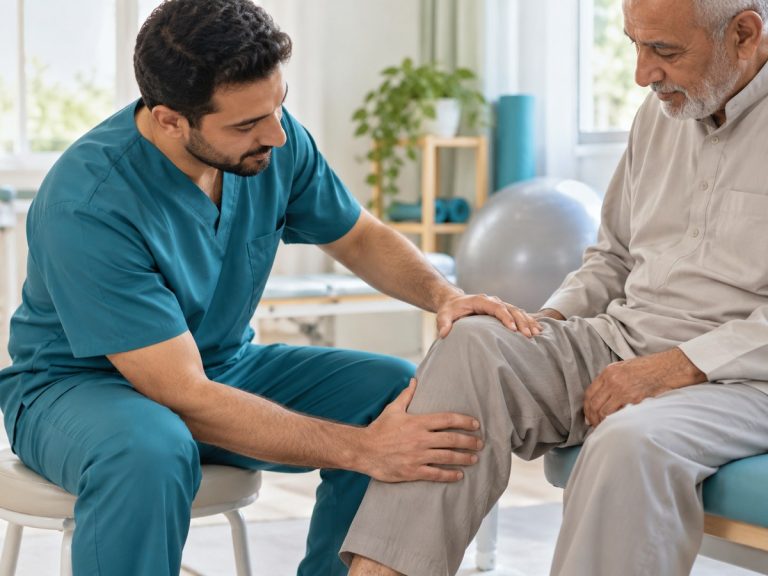
You may also be advised to practise breathing exercises and increase activity gradually. A physiotherapist will guide exercises for the new knee. Therapy often continues at home or in a specialist centre after discharge.
For non-emergency enquiries or to arrange physiotherapy, message Ghayatcom on WhatsApp: http://wa.me/966920022566