Rehabilitation After Surgery
Home / Blog / General Health
Rehabilitation After Surgery
Key guidance and the benefits of rehabilitation
Rehabilitation Includes
1. Rehabilitation after acute injuries.
2. Rehabilitation after surgery.
Many patients feel better soon after waking from surgery.
However, they may not yet be ready to resume their usual routine. A comprehensive rehabilitation programme can help restore strength and maximise the benefit of surgery.
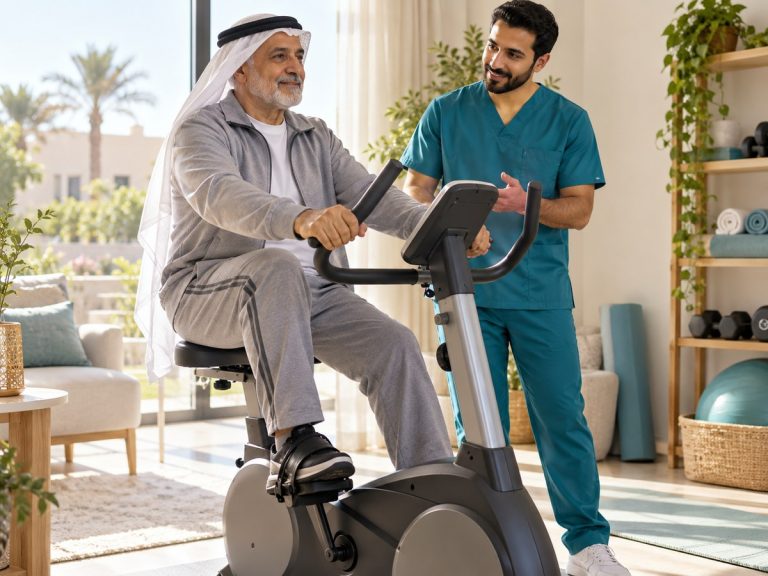
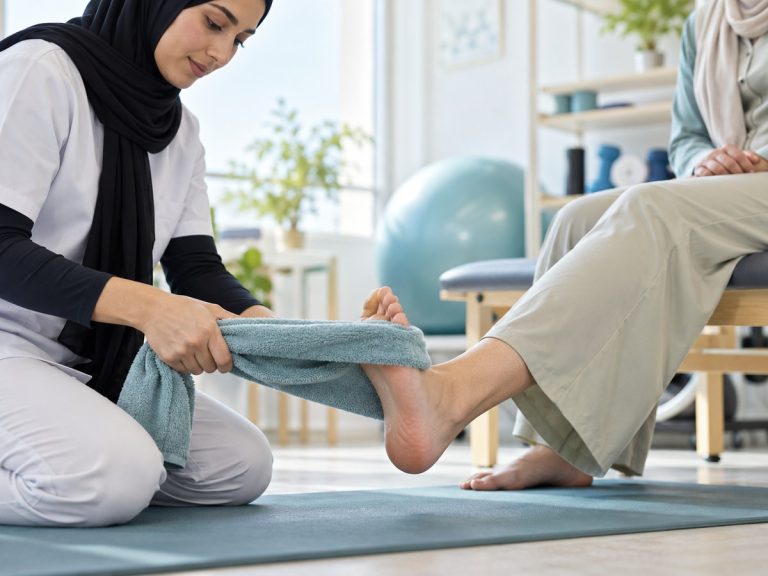
Physiotherapists and other specialists teach appropriate exercises to strengthen muscles and restore movement in the affected area.
In This Article
Why Is Rehabilitation Needed After Surgery?
What Are Its Benefits?
Improved movement, balance, and strength.
Improved circulation.
Reduced pain and swelling.
Better muscle function.
Support for healing and recovery.
Reduced scar-related problems.
Active patient participation.
A stronger foundation for movement.
Reduced risk of secondary problems.
Recovery of lost strength.
Improved flexibility.
Who May Benefit?
1. People recovering after a heart attack or bypass surgery.
2. People after anterior cruciate ligament or meniscus repair.
3. People after joint replacement.
4. People after back surgery.
Rehabilitation After Spinal Surgery
1. Managing pain after surgery.
2. Establishing a suitable exercise programme.
3. Exercises to support recovery.
Why Is Rehabilitation Needed After Surgery?
Post-operative rehabilitation can support recovery after many different procedures.
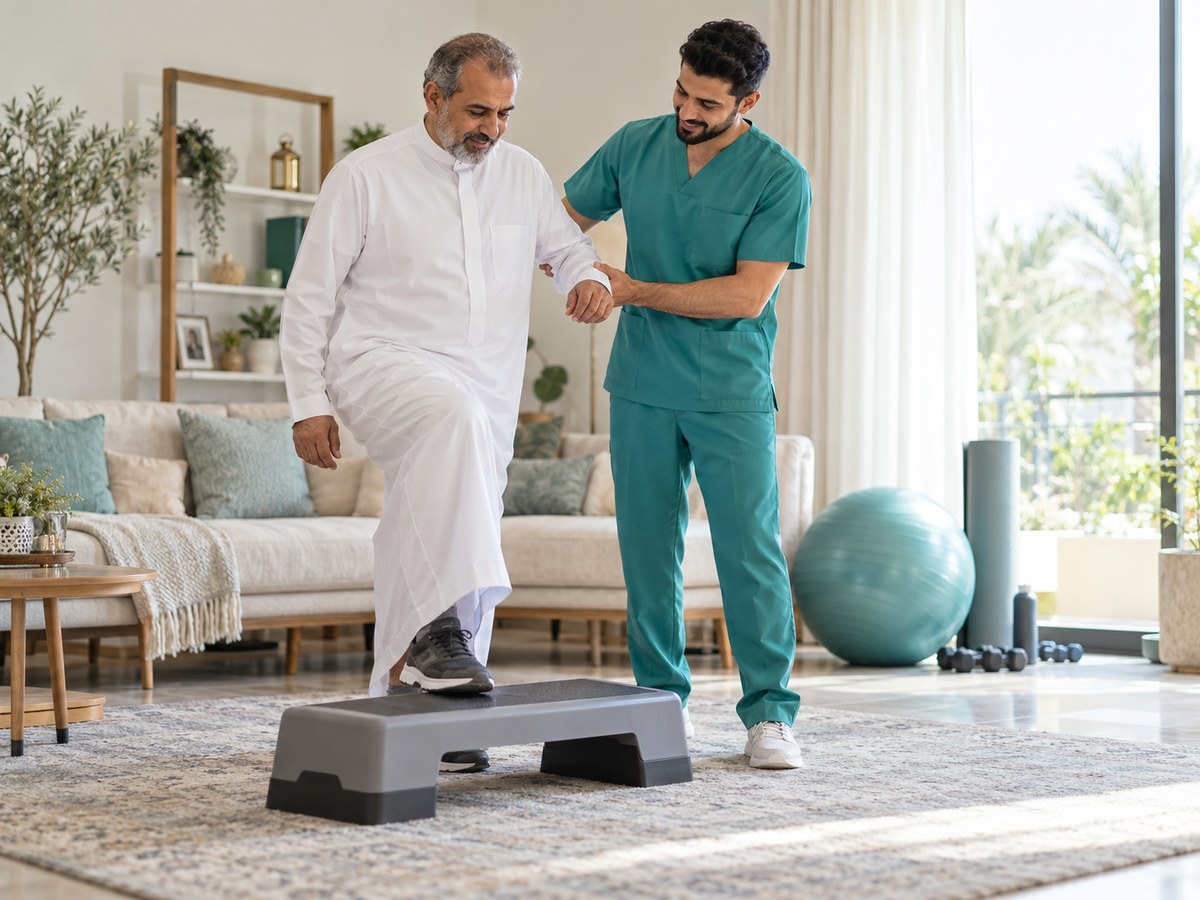
Physiotherapy often begins in hospital. A therapist may assist with getting out of bed, walking, and exercises to prepare for returning home.
Recovery time depends on the procedure. Knee, hip, or spinal surgery may require a longer programme, sometimes involving weeks or months in a rehabilitation setting.
Outpatient care may allow you to live at home and attend therapy once or several times a week. In other cases, a physiotherapist can visit you at home.
For enquiries or physiotherapy support, message Ghayatcom on WhatsApp: http://wa.me/966920022566