Inactive Hepatitis B
Home / Blog / Medical
Inactive Hepatitis B
Key information and practical guidance
What Is Inactive Hepatitis B?
Hepatitis B is a serious infection caused by the hepatitis B virus (HBV). Infection lasting six months or more is considered chronic and may lead to complications such as liver failure, liver cancer, or cirrhosis.
Most adults recover fully, even after severe symptoms. In children and older adults, the condition may be more serious or persist for many years.
What Does Inactive Hepatitis B Mean?
Some people carry HBV in their blood without symptoms. They can still pass the infection to others. This may be described as inactive hepatitis B.
Key points about this condition:
People with inactive hepatitis B need regular monitoring to check for changes in the infection and their liver health.
The virus may remain inactive for life. The risk of reactivation and complications such as liver cancer or cirrhosis is relatively low, but ongoing monitoring remains important.
Reactivation may occur during the first year after diagnosis or when immunity is reduced by illness or certain treatments.
Doctors may prescribe antiviral medicines during treatment that suppresses the immune system.
How Is Hepatitis B Transmitted?
The virus can pass between people even when it is inactive and causes no symptoms. Transmission occurs mainly through infected blood and certain body fluids, including semen and vaginal fluids.
The main routes of transmission include:
1. Sharing needles with someone who has the infection.
2. Sexual contact.
3. Sharing personal items that may carry blood, such as razors, toothbrushes, scissors, or nail files.
4. Transmission from an infected mother to her baby.
Donated blood is routinely screened for hepatitis viruses, making transmission through hospital blood transfusions unlikely.
Protecting Family and Friends
If you have inactive hepatitis B, these measures can help reduce the risk of transmission:
1. Use a condom during sexual contact.
2. Cover cuts and wounds, even small ones.
3. Do not share personal care items.
4. Dispose of chewing gum after use and avoid pre-tasting food before feeding children.
5. Clean and disinfect frequently used surfaces and equipment.
6. Clean blood spills with a solution containing one part bleach to ten parts water.
Treatment is considered when hepatitis B becomes active or other findings indicate a need for it; medicines may cause side effects.
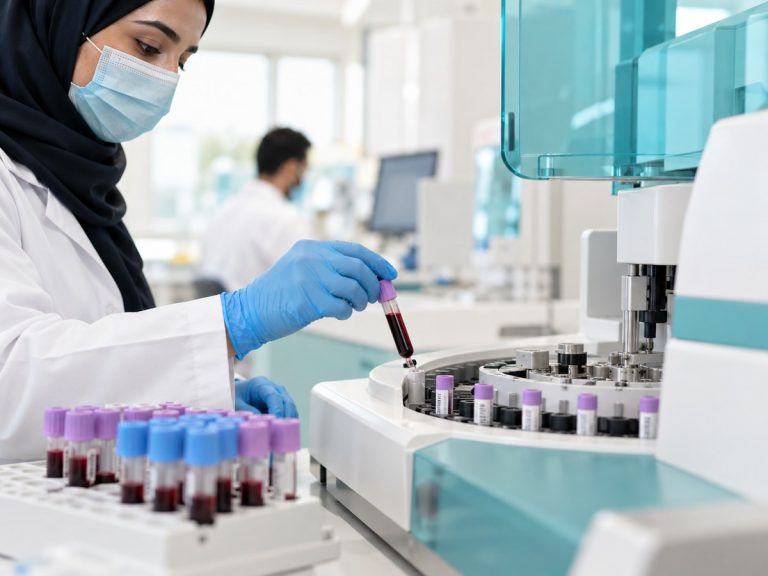
The doctor assesses the need for treatment using tests such as liver enzyme measurements and, when appropriate, a liver biopsy.
For enquiries or assistance, contact Ghayatcom on WhatsApp: http://wa.me/966920022566