Physiotherapy Is More Than Massage
Home / Blog / General Health
Physiotherapy Is More Than Massage
An explanation of physiotherapy and its treatment methods
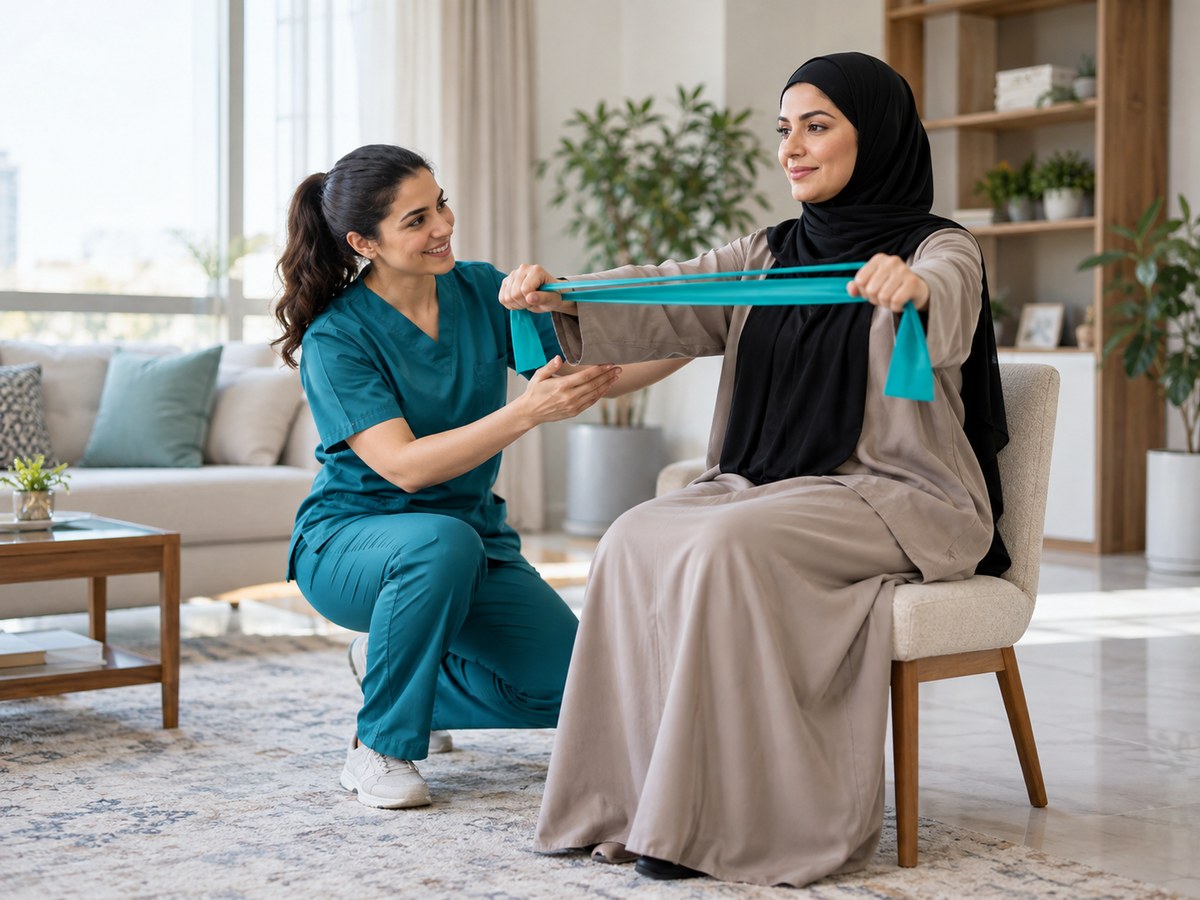
Physiotherapy is often mistaken for massage used only for relaxation or muscle pain. In reality, it includes many treatment techniques that aim to improve movement, function, and quality of life.
Physiotherapy is a form of rehabilitation focused on assessing and treating injuries and acute or chronic conditions that affect movement. It may be recommended alone or alongside other treatments.
Care is provided by a physiotherapist who has completed specialist training and holds the appropriate professional licence.
Goals and Benefits of Physiotherapy
The main aim is to improve movement and function. Benefits may include:
· Reducing acute or persistent pain and the need for pain medicines, including opioids.
· Supporting recovery from sports injuries, injury prevention, and sporting performance.
· Restoring mobility and improving range of movement.
· Supporting recovery after stroke, paralysis, accidents, injuries, or surgery.
· Improving balance and reducing falls.
· Supporting recovery after childbirth.
· Improving bowel or bladder control.
· Helping people adapt to prosthetic limbs and use mobility aids such as walking frames or sticks.
Conditions That May Benefit
Physiotherapy is not limited to muscles and joints. It can support people with many conditions affecting movement and function, including:
Musculoskeletal conditions such as back pain, muscle tears, jaw joint disorders, muscle wasting, rheumatoid arthritis, and osteoarthritis.
Heart and lung conditions, including chronic obstructive pulmonary disease, cystic fibrosis, and heart failure following a heart attack.
Hand conditions such as carpal tunnel syndrome and trigger finger.
Neurological conditions including stroke, spinal cord injury, Parkinson’s, multiple sclerosis, vestibular disorders, cerebral palsy, and brain injury.
Pelvic floor conditions, including urinary incontinence and pelvic organ prolapse.
Skin and tissue problems such as burns, wounds, and diabetic ulcers.
Persistent pain associated with injury, illness, inflammation, or medication.
Physiotherapy can also help infants, children, and teenagers with conditions such as:
· Developmental delay.
· Cerebral palsy.
· Torticollis, a condition affecting neck position.
· Physiotherapy Techniques
Massage is one technique. Hands-on work with affected tissues may help relieve pain, improve circulation, and reduce muscle tension.
However, physiotherapy can include many other approaches:
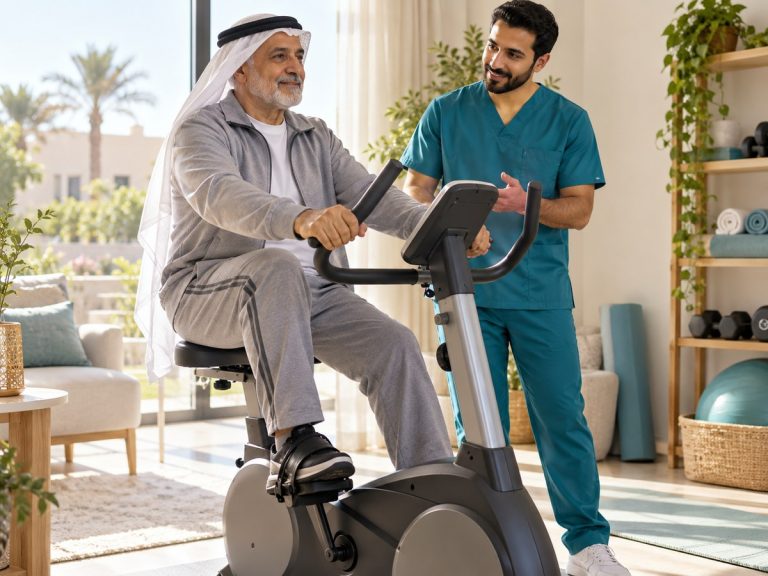
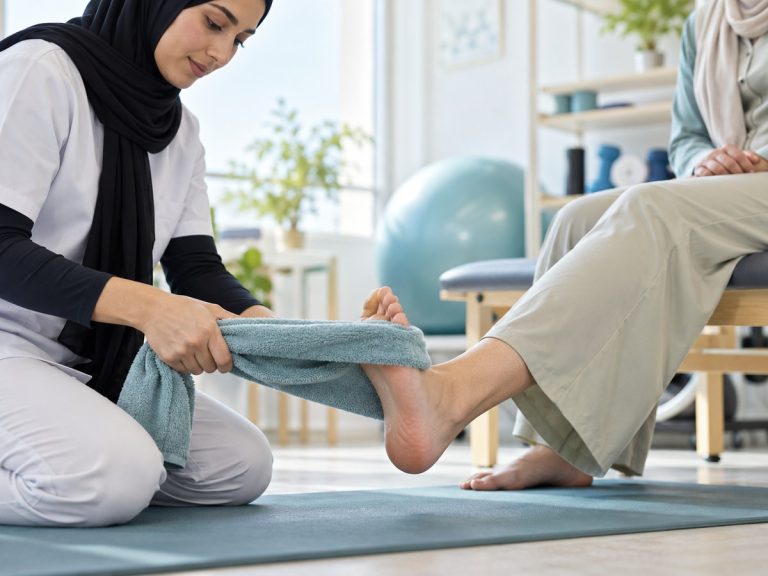
· Therapeutic Exercise
Exercises may improve strength, range of movement, or flexibility. Some are performed with the therapist’s assistance, such as raising a relaxed leg to stretch the hamstrings.
· Ultrasound Therapy
Therapeutic ultrasound may be used for selected musculoskeletal conditions, such as sprains, strains, or tendon problems. The applicator is moved in small circles over the skin near the affected area.
· Electrical Stimulation
Electrical stimulation may be used to relieve pain or support muscle function. Two common forms are:
Transcutaneous electrical nerve stimulation (TENS), used for pain relief.
Neuromuscular electrical stimulation, which stimulates muscle motor units to support muscle function.
· Heat Therapy
يتم خلال هذه التقنية من تقنيات العلاج الطبيعي تطبيق كمادات ساخنة على الجزء المصاب من الجسم لمدة 15 – 20 دقيقة، حيث تساعد الحرارة على زيادة الدورة الدموية للأنسجة المصابة، واسترخاء العضلات المتواجد فيها، وتخفيف الألم.
· Cold Therapy
Cold packs or ice may be used to relieve pain and help control inflammation and swelling after an injury.
· Laser and Light Therapy
Selected laser and light therapies may be used to support tissue healing and reduce pain or inflammation as part of an individual treatment plan.
For enquiries or to contact a physiotherapist, message Ghayatcom on WhatsApp.